
Simple Vegan Meatballs
Simple Vegan Meatballs are a game-changer for anyone looking to indulge in the rich flavors of Italian cuisine without compromising on their dietary preferences. This dish works beautifully because it cleverly utilizes tempeh as a base, which provides a robust texture and a slightly nutty flavor that complements the other ingredients perfectly. The combination of sautéed onions and garlic, Italian seasoning, and vegan parmesan cheese creates an aromatic and savory flavor profile that will leave you craving for more. With its ease of preparation and versatility in serving options, this recipe is a must-try for vegans and non-vegans alike. Whether you're serving it with pasta, in a sub, or as a snack, these meatballs are sure to impress. The best part is that they can be made ahead of time and reheated when needed, making them a great option for meal prep or large gatherings.
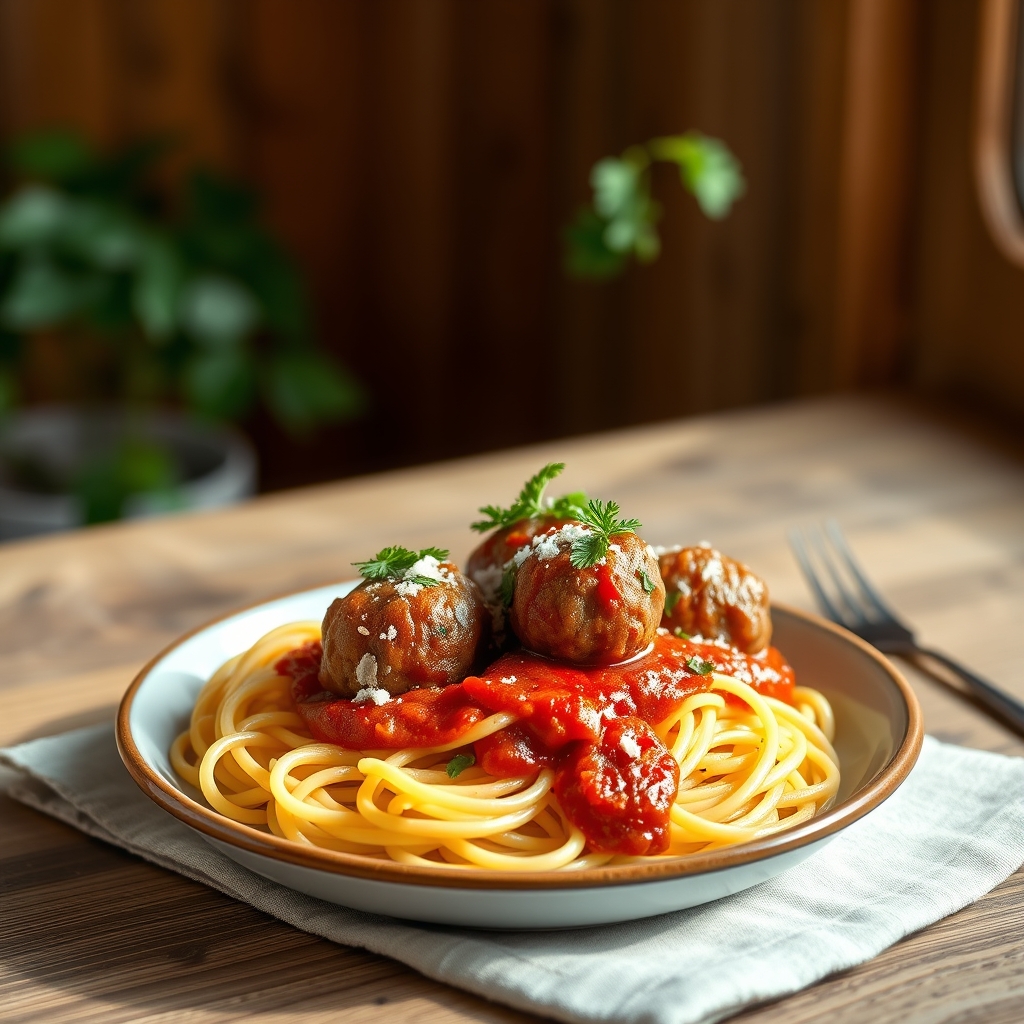
About this recipe
Vegan Italian meatballs
Ingredients
- 0.5 cup white onion (minced)
- 3 clove garlic (minced)
- 1 tbsp flaxseed meal
- 2.5 tbsp water
- 8 oz tempeh
- 0.33 cup vegan parmesan
- 2 tsp Italian seasoning
- 0.25 cup fresh parsley
- 0.5 cup vegan breadcrumbs
- 2 tbsp marinara sauce
- olive oil
- salt
- black pepper
- 0.33 cup vegan breadcrumbs
- 0.33 cup vegan parmesan
Quantities recalculate automatically when you change the serving size.
Method
To start, preheat your oven to 375 degrees F (190 C) and prepare a flax egg by mixing flaxseed meal and water in a small dish, letting it rest for a few minutes to thicken.
In a large, deep skillet, sauté the minced onion and garlic in 1/2 tablespoon of olive oil over medium heat until they are soft and translucent, which should take about 3 minutes, then set them aside.
Add the tempeh to a food processor and pulse it until it's broken down, then add the sautéed onion and garlic, along with the remaining ingredients except for the olive oil, and mix until the ingredients are just combined, scraping down the sides of the processor as needed.
Taste the mixture and adjust the seasonings as needed, keeping in mind that the tempeh may have a slightly bitter flavor that will be balanced out by the other ingredients once the meatballs are cooked and served with marinara sauce.
Depending on the saltiness of your vegan parmesan cheese, you may need to add a pinch of salt and pepper to the mixture at this point, but be cautious not to over-season.
Scoop out 1 tablespoon amounts of the mixture and roll them into balls, then heat the same skillet you used earlier to medium heat and prepare to coat the meatballs.
In a shallow dish, mix together the remaining breadcrumbs and parmesan cheese, then add the tempeh balls one or two at a time and roll them to coat evenly.
Add enough olive oil to the hot skillet to form a thin layer, then add the coated meatballs in batches, being careful not to crowd the pan, and brown them for about 5 minutes, shaking the pan to roll them around and brown all sides evenly.
Once the meatballs are browned, add them to a baking sheet and bake them in the oven for about 15 minutes, or until they are deep golden brown and firm to the touch, which may take a few minutes longer if you prefer a crisper exterior.
While the meatballs are baking, prepare any pasta or other sides you plan to serve with them, as well as your favorite marinara sauce.
Once the meatballs are done, remove them from the oven and let them cool for a minute or two before serving.
To serve, top cooked pasta with the meatballs and pour over marinara sauce, then sprinkle with additional vegan parmesan cheese and fresh parsley for added flavor and texture.
Cooking tips
- Use a food processor to break down the tempeh and mix the ingredients for the best results.
- Don't overprocess the ingredients, as this can result in a dense and tough texture.
- Choose a high-quality vegan parmesan cheese for the best flavor.
- Experiment with different spices and herbs to add unique flavors to the meatballs.
- Brown the meatballs in a skillet before baking for added flavor and texture.
- Let the meatballs cool for a few minutes before serving to help them retain their shape.
- Serve the meatballs with a variety of sauces, such as marinara, pesto, or arrabbiata, for added flavor.
- Use leftover meatballs to make subs or add to salads for a quick and easy meal.
Substitutions
- Use nutritional yeast instead of vegan parmesan cheese for a nutty, cheesy flavor.
- Swap out the tempeh for seitan or textured vegetable protein for a different texture.
- Use different types of non-dairy milk, such as soy or almond milk, to create a creamier or lighter texture.
- Add some heat to the meatballs by incorporating red pepper flakes or diced jalapenos.
- Use gluten-free breadcrumbs to make the recipe more accessible to those with dietary restrictions.
Storage & make-ahead
Leftover meatballs can be stored in the fridge for up to a few days and reheated in the oven or microwave when needed. They can also be frozen for later use, simply thaw and reheat as needed. When reheating, make sure the meatballs are heated through to an internal temperature of 165 degrees F (74 C) to ensure food safety.
Nutrition
Per serving. Nutritional values are estimates and provided for guidance only.
Recipe notes
One of the key factors that make this dish distinctive is the use of flaxseed meal as an egg substitute, which helps to bind the ingredients together and creates a texture that is remarkably similar to traditional meatballs. The tempeh, which is often overlooked as a protein source, shines in this recipe and provides a meaty texture that is hard to resist. When it comes to serving, the options are endless - you can serve them with your favorite pasta, in a sub, or as a snack on their own. For a more substantial meal, you can serve them with a side of roasted vegetables or a green salad. To make ahead, simply prepare the meatballs up to the point of baking, then refrigerate or freeze them until you're ready to cook. To scale up or down, simply adjust the ingredient quantities accordingly, keeping in mind that the cooking time may vary. In terms of equipment, a food processor is essential for breaking down the tempeh and mixing the ingredients, while a skillet and baking sheet are necessary for browning and baking the meatballs. One thing that people often get wrong when making vegan meatballs is overprocessing the ingredients, which can result in a dense and tough texture. To avoid this, be sure to pulse the ingredients in the food processor until they are just combined, then stop and scrape down the sides as needed. Another important aspect of this recipe is the use of vegan parmesan cheese, which adds a salty, nutty flavor that is essential to the overall taste of the dish. When choosing a vegan parmesan cheese, look for one that is made from high-quality ingredients and has a rich, creamy flavor. You can also experiment with different types of non-dairy milk and nutritional yeast to create a cheese substitute that is tailored to your taste preferences. In addition to its great taste, this recipe is also highly versatile and can be adapted to suit a variety of tastes and dietary preferences. For example, you can add different spices or herbs to the meatball mixture to give it a unique flavor, or use different types of non-dairy milk to create a creamier or lighter texture. You can also serve the meatballs with a variety of sauces, such as marinara, pesto, or arrabbiata, to add an extra layer of flavor to the dish. When it comes to cooking the meatballs, it's essential to get the temperature and timing just right. The oven should be preheated to 375 degrees F (190 C), and the meatballs should be baked for 15 minutes, or until they are deep golden brown and firm to the touch. You can also brown the meatballs in a skillet before baking them, which adds an extra layer of flavor and texture to the dish. Overall, this recipe is a must-try for anyone looking to indulge in the rich flavors of Italian cuisine without compromising on their dietary preferences. With its ease of preparation, versatility in serving options, and delicious flavor, it's a dish that is sure to become a staple in your kitchen.
Frequently asked questions
What is tempeh and how does it work in this recipe?
Tempeh is a fermented soybean product that has a nutty flavor and a firm texture, making it an excellent base for vegan meatballs.
Can I make these meatballs ahead of time?
Yes, you can make the meatballs up to the point of baking, then refrigerate or freeze them until you're ready to cook.
What type of non-dairy milk is best to use in this recipe?
Any type of non-dairy milk, such as soy or almond milk, can be used in this recipe, but keep in mind that it may affect the texture and flavor of the meatballs.
Can I use gluten-free breadcrumbs to make this recipe more accessible?
Yes, gluten-free breadcrumbs can be used as a substitute in this recipe, making it more accessible to those with dietary restrictions.
How do I reheat leftover meatballs?
Leftover meatballs can be reheated in the oven or microwave, making sure they are heated through to an internal temperature of 165 degrees F (74 C) to ensure food safety.
Recipe source: TinyPlatesEditorial text, photography and testing notes by LAODH.
Keep cooking
You might also like
Simple Vegan Meatballs
Vegan Italian meatballs
Simple Vegan Meatballs
Vegan Italian meatballs
Simple Vegan Meatballs
Vegan Italian meatballs
Simple Vegan Meatballs
Vegan Italian meatballs
Simple Vegan Meatballs
Vegan Italian meatballs
Simple Vegan Meatballs
Vegan Italian meatballs
Simple Vegan Meatballs
Vegan Italian meatballs
Simple Vegan Meatballs
Vegan Italian meatballs
Simple Vegan Meatballs
Vegan Italian meatballs
Simple Vegan Meatballs
Vegan Italian meatballs
Simple Vegan Meatballs
Vegan Italian meatballs
Vegan banh mi
Vegan banh mi sandwich
Simple Vegan Meatballs
Vegan Italian meatballs
Simple Vegan Meatballs
Vegan Italian meatballs
Simple Vegan Meatballs
Vegan Italian meatballs
Simple Vegan Meatballs
Vegan Italian meatballs
Simple Vegan Meatballs
Vegan Italian meatballs
Simple Vegan Meatballs
Vegan Italian meatballs
Simple Vegan Meatballs
Vegan Italian meatballs
Simple Vegan Meatballs
Vegan Italian meatballs
Simple Vegan Meatballs
Vegan Italian meatballs
Simple Vegan Meatballs
Vegan Italian meatballs
Simple Vegan Meatballs
Vegan Italian meatballs
Simple Vegan Meatballs
Vegan Italian meatballs
Simple Vegan Meatballs
Vegan Italian meatballs
Simple Vegan Meatballs
Vegan Italian meatballs
Simple Vegan Meatballs
Vegan Italian meatballs
Simple Vegan Meatballs
Vegan Italian meatballs
Simple Vegan Meatballs
Vegan Italian meatballs
Simple Vegan Meatballs
Vegan Italian meatballs
Simple Vegan Meatballs
Vegan Italian meatballs
Simple Vegan Meatballs
Vegan Italian meatballs
Simple Vegan Meatballs
Vegan Italian meatballs
Simple Vegan Meatballs
Vegan Italian meatballs
Simple Vegan Meatballs
Vegan Italian meatballs
Simple Vegan Meatballs
Vegan Italian meatballs
Simple Vegan Meatballs
Vegan Italian meatballs
Simple Vegan Meatballs
Vegan Italian meatballs
Simple Vegan Meatballs
Vegan Italian meatballs
Simple Vegan Meatballs
Vegan Italian meatballs
Simple Vegan Meatballs
Vegan Italian meatballs
Simple Vegan Meatballs
Vegan Italian meatballs
Simple Vegan Meatballs
Vegan Italian meatballs
Simple Vegan Meatballs
Vegan Italian meatballs
Simple Vegan Meatballs
Vegan Italian meatballs
Simple Vegan Meatballs
Vegan Italian meatballs
Simple Vegan Meatballs
Vegan Italian meatballs
Simple Vegan Meatballs
Vegan Italian meatballs