
Beef Dumpling Stew
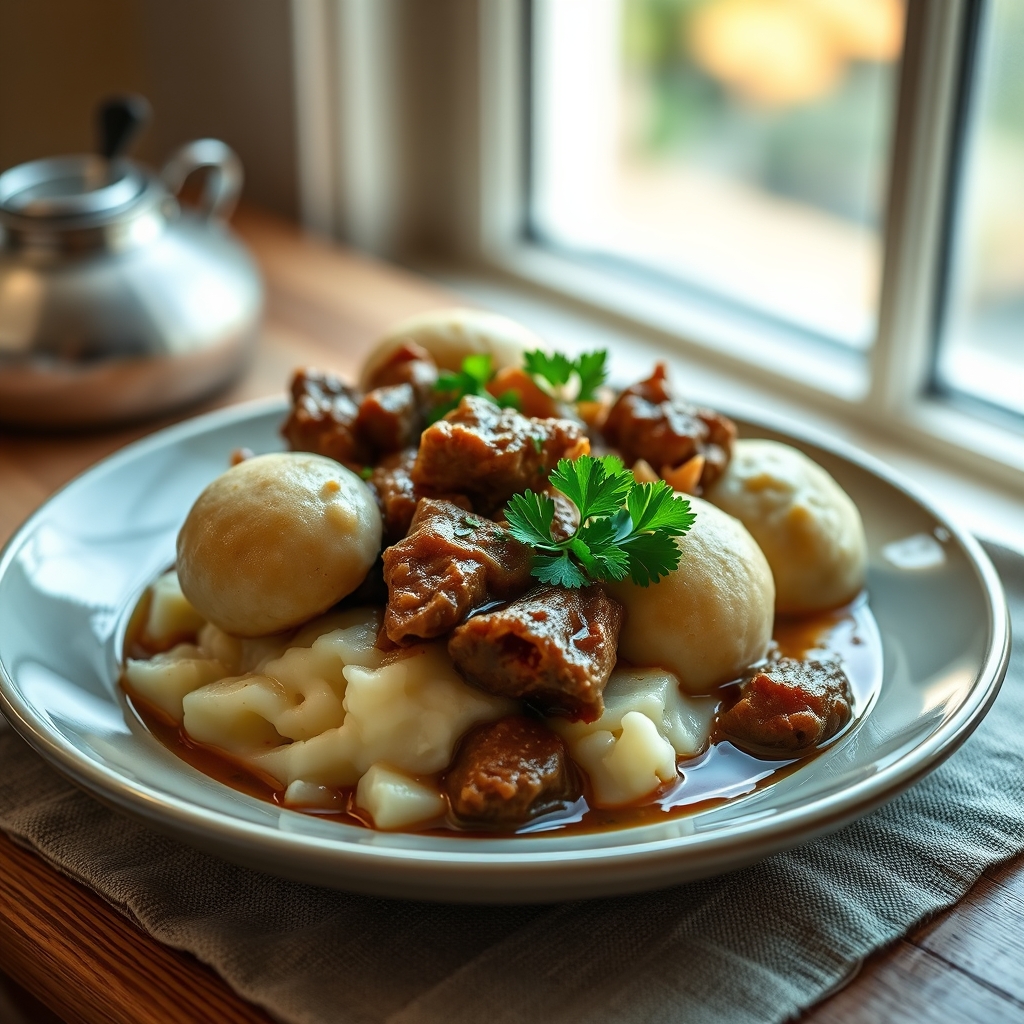
Beef Dumpling Stew is a quintessential British dish that warms the heart and soul, perfect for a chilly evening with family and friends. This hearty stew is made with tender chunks of beef, a variety of vegetables, and fluffy dumplings, all slow-cooked in a rich and flavorful broth. The combination of ingredients and the long cooking time create a depth of flavor that is hard to resist. The dumplings, made with suet and flour, add a lovely texture to the dish, and the fresh herbs provide a bright and refreshing note. Whether you're looking for a comforting meal to serve on a weeknight or a special occasion, Beef Dumpling Stew is sure to become a favorite.
About this recipe
British Beef Dumpling Stew
Ingredients
- 2 tbs Olive Oil
- 25 g Butter
- 750 g Beef
- 2 tblsp Plain Flour
- 2 cloves minced Garlic
- 175 g Onions
- 150 g Celery
- 150 g Carrots
- 2 chopped Leek
- 200 g Swede
- 150 ml Red Wine
- 500 g Beef Stock
- 2 Bay Leaf
- 3 tbs Thyme
- 3 tblsp chopped Parsley
- 125 g Plain Flour
- 1 tsp Baking Powder
- 60 g Suet
- Water (Splash)
Quantities recalculate automatically when you change the serving size.
Method
To begin, preheat your oven to 180C or 350F, which is also equivalent to Gas 4, to ensure it's ready for the long cooking process ahead.
Next, heat the olive oil and butter in a large ovenproof casserole or Dutch oven over medium-high heat, then add the beef and cook until it's browned on all sides, which will add a rich flavor to the stew.
Sprinkle the plain flour over the beef and cook for an additional 2-3 minutes, stirring constantly to prevent the flour from burning.
Add the minced garlic and all the chopped vegetables, including the onions, celery, carrots, leek, and swede, and cook for 1-2 minutes, stirring occasionally, until they start to soften.
Stir in the red wine, beef stock, and herbs, including the bay leaf and thyme, and season with salt and freshly ground black pepper to taste, but note that Worcestershire sauce and balsamic vinegar are not included in the ingredients list.
Cover the casserole with a lid and transfer it to the preheated oven, where it will cook for about two hours, or until the meat is tender and the vegetables are cooked through.
While the stew is cooking, prepare the dumplings by sifting the plain flour, baking powder, and salt into a large bowl.
Add the suet to the bowl and gradually add enough water to form a thick dough, being careful not to add too much water, which can make the dumplings tough.
Using floured hands, roll spoonfuls of the dough into small balls, which will be added to the stew later.
After the stew has cooked for two hours, remove the lid and place the dumplings on top of the stew, then cover the casserole again and return it to the oven for an additional 20 minutes, or until the dumplings are cooked through and fluffy.
To serve, place a spoonful of mashed potato onto each plate, then top with the stew and dumplings, and sprinkle with chopped parsley for a fresh and colorful touch.
Cooking tips
- Use high-quality ingredients, including fresh herbs and tender beef, to ensure the best flavor.
- Cook the stew slowly over low heat to allow the flavors to meld together.
- Don't overcook the dumplings, as this can make them tough and dense.
- Use a large, heavy pot or Dutch oven to distribute the heat evenly and prevent the stew from burning.
- Let the stew cool completely before refrigerating or freezing it, to prevent bacterial growth.
- Reheat the stew gently over low heat, to prevent the meat from becoming tough.
- Add the dumplings to the stew just before serving, to ensure they're cooked through and fluffy.
- Use a variety of vegetables, including root vegetables and leafy greens, to add depth and complexity to the stew.
Substitutions
- You can substitute lamb or pork for the beef, for a variation on the recipe.
- Use vegetable oil instead of olive oil, for a lighter flavor.
- Add diced bell peppers or sliced mushrooms to the stew, for added flavor and nutrition.
- Use gluten-free flour instead of plain flour, for a gluten-free option.
- Substitute chopped fresh rosemary or thyme for the parsley, for a different herbal flavor.
Storage & make-ahead
Let the stew cool completely, then refrigerate or freeze it in an airtight container. Reheat the stew gently over low heat, adding a little water if necessary to prevent the stew from becoming too thick. You can also freeze the cooked dumplings separately, then reheat them in the stew or in a little water.
Recipe notes
The key to a great Beef Dumpling Stew is to use high-quality ingredients and to cook the stew slowly, allowing the flavors to meld together. The beef should be tender and fall-apart, and the vegetables should be cooked until they're soft and flavorful. The dumplings are a crucial component of the dish, and they should be cooked until they're light and fluffy. To make the stew ahead, simply cook it until the beef is tender, then let it cool and refrigerate or freeze it until you're ready to serve. When you're ready to serve, simply reheat the stew and add the dumplings. You can also scale the recipe up or down depending on the number of people you're serving. One thing to keep in mind is that the stew should be cooked in a large, heavy pot or Dutch oven, as this will help to distribute the heat evenly and prevent the stew from burning. Many people make the mistake of overcooking the dumplings, which can make them tough and dense. To avoid this, make sure to cook the dumplings for the recommended amount of time, and check on them frequently to ensure they're not overcooking. In terms of equipment, a good-quality ovenproof casserole or Dutch oven is essential for making Beef Dumpling Stew. This type of pot allows for even heat distribution and can be used on the stovetop or in the oven. A wooden spoon or spatula is also necessary for stirring the stew and dumplings. If you're looking to serve the stew with something other than mashed potatoes, you could try serving it with crusty bread or over egg noodles. To make the stew more substantial, you could add other ingredients such as diced bell peppers or sliced mushrooms. You could also try using different types of meat, such as lamb or pork, for a variation on the recipe. The important thing is to use high-quality ingredients and to cook the stew slowly, allowing the flavors to meld together. One of the best things about Beef Dumpling Stew is that it's a very versatile dish. You can serve it at any time of year, and it's perfect for a special occasion or a weeknight meal. You can also customize the recipe to suit your tastes, adding or subtracting ingredients as you see fit. Whether you're a seasoned cook or a beginner, Beef Dumpling Stew is a great dish to try. Overall, Beef Dumpling Stew is a delicious and comforting dish that's perfect for any occasion. With its rich and flavorful broth, tender chunks of beef, and fluffy dumplings, it's a meal that's sure to become a favorite. By following a few simple tips and using high-quality ingredients, you can create a stew that's truly exceptional.
Frequently asked questions
What type of beef is best for Beef Dumpling Stew?
Chuck or brisket is best, as it's tender and flavorful.
Can I make the stew ahead?
Yes, you can cook the stew ahead, then refrigerate or freeze it until you're ready to serve.
How do I prevent the dumplings from becoming tough?
Don't overcook the dumplings, and make sure to add them to the stew just before serving.
Can I use a slow cooker instead of the oven?
Yes, you can cook the stew in a slow cooker, but you'll need to adjust the cooking time and temperature.
What type of pot is best for making Beef Dumpling Stew?
A large, heavy pot or Dutch oven is best, as it distributes the heat evenly and prevents the stew from burning.
Recipe source: TheMealDBEditorial text, photography and testing notes by LAODH.
Keep cooking
You might also like
Beef Dumpling Stew
British Beef Dumpling Stew
Beef Dumpling Stew
British Beef Dumpling Stew
Beef Dumpling Stew
British Beef Dumpling Stew
Beef Dumpling Stew
British Beef Dumpling Stew
Beef Dumpling Stew
British Beef Dumpling Stew
Beef Dumpling Stew
British Beef Dumpling Stew
Beef Dumpling Stew
British Beef Dumpling Stew
Beef Dumpling Stew
British Beef Dumpling Stew
Beef Dumpling Stew
British Beef Dumpling Stew
Beef Dumpling Stew
British Beef Dumpling Stew
Beef Dumpling Stew
British Beef Dumpling Stew
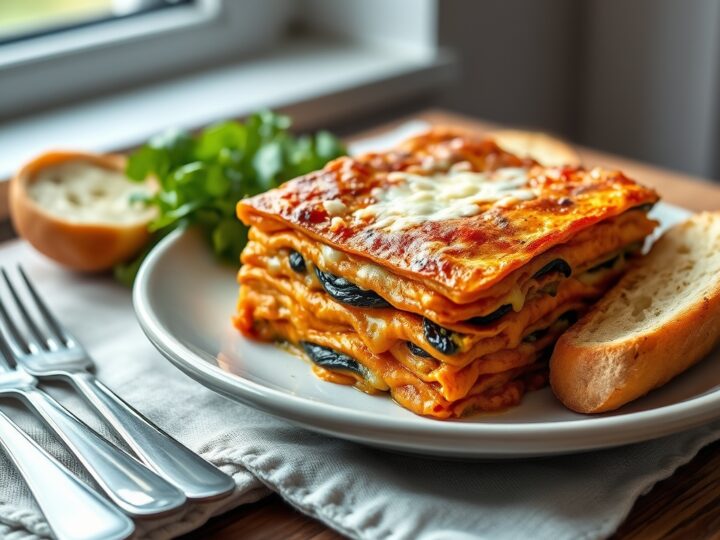
How Sweet It Is Sweet Potato Lasagne
Sweet potato lasagne with Mediterranean twist
Beef Dumpling Stew
British Beef Dumpling Stew
Beef Dumpling Stew
British Beef Dumpling Stew
Beef Dumpling Stew
British Beef Dumpling Stew
Beef Dumpling Stew
British Beef Dumpling Stew
Beef Dumpling Stew
British Beef Dumpling Stew
Beef Dumpling Stew
British Beef Dumpling Stew
Beef Dumpling Stew
British Beef Dumpling Stew
Beef Dumpling Stew
British Beef Dumpling Stew
Beef Dumpling Stew
British Beef Dumpling Stew
Beef Dumpling Stew
British Beef Dumpling Stew
Beef Dumpling Stew
British Beef Dumpling Stew
Beef Dumpling Stew
British Beef Dumpling Stew
Beef Dumpling Stew
British Beef Dumpling Stew
Beef Dumpling Stew
British Beef Dumpling Stew
Beef Dumpling Stew
British Beef Dumpling Stew
Beef Dumpling Stew
British Beef Dumpling Stew
Beef Dumpling Stew
British Beef Dumpling Stew
Beef Dumpling Stew
British Beef Dumpling Stew
Beef Dumpling Stew
British Beef Dumpling Stew
Beef Dumpling Stew
British Beef Dumpling Stew
Beef Dumpling Stew
British Beef Dumpling Stew
Beef Dumpling Stew
British Beef Dumpling Stew
Beef Dumpling Stew
British Beef Dumpling Stew
Beef Dumpling Stew
British Beef Dumpling Stew
Beef Dumpling Stew
British Beef Dumpling Stew
Beef Dumpling Stew
British Beef Dumpling Stew
Beef Dumpling Stew
British Beef Dumpling Stew
Beef Dumpling Stew
British Beef Dumpling Stew
Beef Dumpling Stew
British Beef Dumpling Stew
Beef Dumpling Stew
British Beef Dumpling Stew
Beef Dumpling Stew
British Beef Dumpling Stew
Beef Dumpling Stew
British Beef Dumpling Stew
Beef Dumpling Stew
British Beef Dumpling Stew
Beef Dumpling Stew
British Beef Dumpling Stew
Beef Dumpling Stew
British Beef Dumpling Stew
Beef Dumpling Stew
British Beef Dumpling Stew